There are two places in life where people tend to suspend logic a little more than usual: casinos and Disney. And honestly, I get it. You walk into a casino knowing the odds aren’t in your favor, but you still set aside a certain amount of money and say, “This is what I’m willing to spend for the experience. And it’s most likely going down the drain.” You don’t expect to win, you expect to play. Disney works the same way. The difference is, people don’t always treat it that way.
Budgeting for Vacations – I Became a Mousehacker
This past February, I did a lot of research planning for our recent Disney vacation; my wife and I did lots of “mousehacking.” If you’ve ever gone down that rabbit hole, you know how deep it goes. There are spreadsheets, Lightning Lane debates, and dining reservations timed to the minute. It starts to feel like you’re building a financial model for a vacation!
Something is righteous-feeling about doing it yourself, finding the “perfect” strategy; it’s not that different from getting stock tips from a brother-in-law at Thanksgiving or attempting DIY financial planning. It feels like you’re gaining an edge. And sometimes, it works. But other times, you end up with a plan that looks great on paper and doesn’t quite translate in real life.
That’s what happens to many families once they put the kiddos on the ground in the Mouse’s great big house. Once people land at Disney, the experience doesn’t always match the plan. Lines are longer, timing shifts, and energy levels change; kids get tired, and priorities shift. The original plan is solid but inflexible.
Disney Banks on You Not Sticking to the Plan
Here’s where Disney trips get interesting and start to mirror family financial planning. At first, you’re trying to keep costs down. Then you hit your first long line and think, “Maybe we should buy the Lightning Lane.” After that, it’s a snowball effect, and one decision leads to another – costs start to cascade. Before you know it, you’ve moved from a tightly planned budget to something a little looser.
One of my favorite classic Simpsons bits from the 90’s nails the conundrum park visitors find themselves in: Itchy & Scratchy Land Fun Money.
Vacation Budgeting and Finding the Balance
What I started thinking about mid-trip was whether there was a point at which spending a little more upfront would actually have made the entire experience better. Less waiting, less stress, more enjoyment. Because that’s really the goal, not to “win” Disney (you can’t!), but to not skip the memories time with your family. There’s a break-even point in experiences like this where optimizing for cost actually starts to work against you.
Looking back, my trip was well planned by most standards, “all set,” but optimized? Not quite. Optimized would have meant building in flexibility/understanding where spending actually adds value, and prioritizing experience over micro-efficiencies. That’s not just a Disney lesson; that’s a life and financial planning lesson.
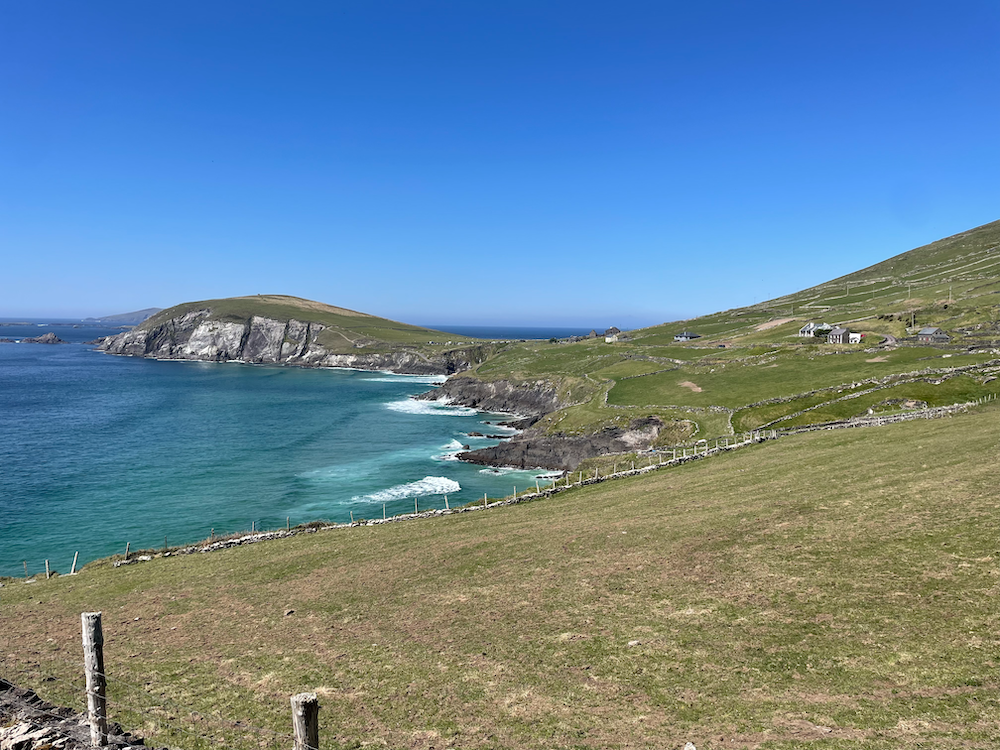
I recently had a client/friend tell me he and his wife took a trip to Ireland. Instead of renting a car and attempting to navigate rural roads, plotting destinations while learning to drive on the other side of the road, he decided to take a small, curated tour. He said it was the best decision he’s ever made for both his and his wife’s sake. DIYing was not going to aid in their trip; it would have made it much more unpleasant. Sometimes you need to know when it’s best to trust in the experts and professionals.
Where the Rubber Meets the Road
I run into the same scenario with clients all the time. People come in with accounts set up, contributions happening, investments allocated, and everything working. But when you take a step back, you start to see that small adjustments could improve both the experience and the outcome.
At Thrive, what I’ve tried to build is a balance. Use the tools/technology and do the research, but don’t lose sight of the experience you’re trying to create. Whether it’s a Disney trip or a financial plan, the goal isn’t perfection; it’s alignment. And if there’s one takeaway here, it’s this: the plan is not the experience.
If you’d like to discuss your financial goals or how each of my kids would rank the rides, please reach out; my door is always open.