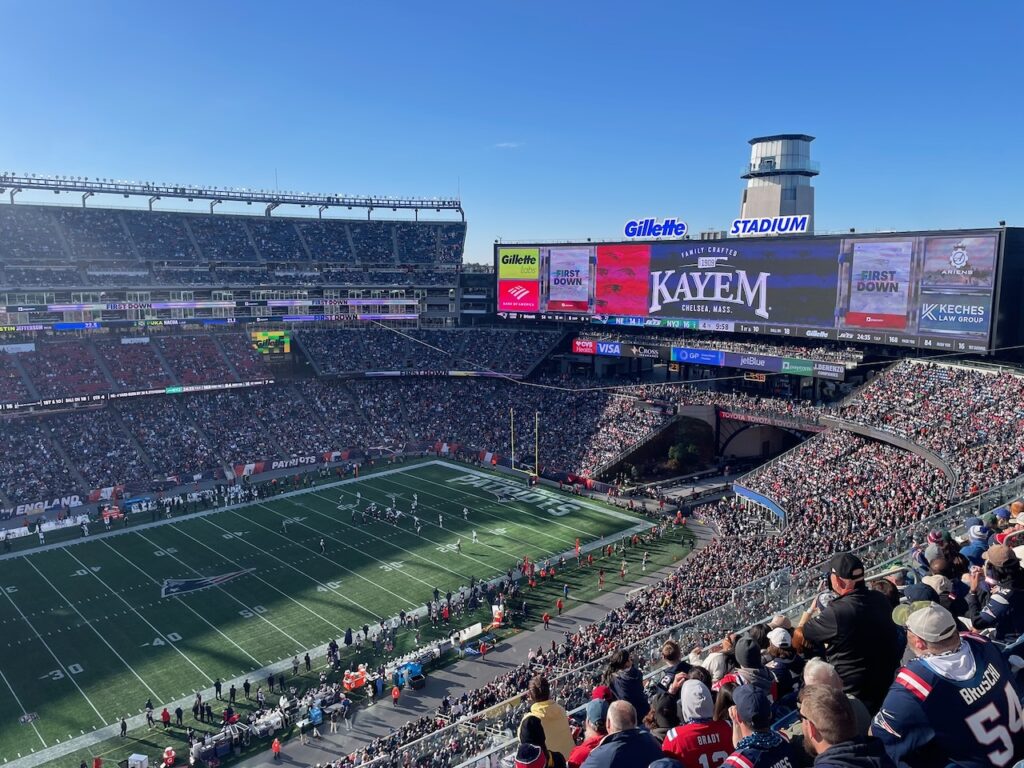
As I sit here gleefully writing this blog, the New England Patriots just wrapped up their season at 14-3, a dramatic turnaround from finishing 4-13 over the previous two seasons. The Patriots needed a shift, a philosophical change from the ground up. No rational person thought the 2025 season would have played out the way it did, but onboarding Vrabel and clearing house of personnel and habits that weren’t working out was exactly what the Patriots needed.
That’s a useful mindset for anyone evaluating their relationship with a financial advisor or family financial planner. If a relationship has grown stagnant, and the plan is simply “ok”, it may be time to reevaluate the partnership.
Are There Foundations and Philosophies Being Built?
The Patriots didn’t judge this season by a single Sunday or a single bad quarter. They looked at progress over the season. Are we building toward something? Are we still on track with the original goal? Are we getting better brick by brick, and are we all buying in? Turns out they were on the right path and then some!
When Jerrod Mayo was fired about one year ago, to some, it felt unfair and shortsighted. Still, Kraft and company understood Jerrod was over his head, and more than the win/loss record, he wasn’t building strong foundations and team philosophies for the future. Vrabel was the man they needed.
That’s exactly how a productive advisor relationship should be reviewed. Not by last month’s return or one uncomfortable conversation, but by asking whether the plan fits your life and the direction you’re heading. If the answer is unclear, that’s a signal worth paying attention to.
Reassess Risks, Do Not React to Noise
Every offseason forces hard questions. The Patriots are coming off a great season and heading into the playoffs, so it’s yet to be seen what moves they need to make, but they’re sitting pretty with cap space and draft picks to add onto their surging roster. It’s teams like the Las Vegas Raiders or Cleveland Browns that need to take a hard look at themselves, as the Pats did at the end of the 2024 season, and assess what’s coming next and what risks they need to take to get out of the doldrums.
The same is true financially. Risk tolerance isn’t static. It changes with career shifts, family responsibilities, and market conditions. Reassessing risk isn’t about chasing returns or panicking after volatility, but making sure your exposure still aligns with where you are today and where you want to go, not where things were five years ago.
Buy-In Matters More Than Familiarity
Bringing in Mike Vrabel wasn’t just about scheme or play-calling. It was about buy-in. Discipline. Direction. A shared understanding of what the organization is trying to build. The same is with financial guidance. You can stay in a go-nowhere advisor relationship for years simply because it’s frictionless. Just because someone was “next in line” doesn’t mean they’re the best fit (cough, cough, Mayo). Comfort is not the same thing as progress.
The Patriots were pretty certain they had something with Drake Maye if he was given a fair shot at success with more apt guidance, and moving on from Jerod to Mike was needed to realize the full potential of their generational quarterback asset.
In financial planning, you also don’t throw the baby out with the bathwater; you look at how strengths can be better optimized and adapted to goals.
Cash on the Bench Still Matters
The Patriots did nothing at the trade deadline, and that was intentional. Sometimes the smartest move is not forcing a deal just to feel active. Financially, that’s cash reserves. Do you have liquidity set aside for upcoming needs? Are you prepared for opportunities or disruptions? Not every dollar needs to be on the field at all times. Bench players still matter over a long season.
Switching Financial Advisors – Build the Right Team
Chasing investment trends is like dogs chasing cars. Lots of motion, very little control. Smart asset allocation is about balance. It’s also not something you check every week. Most people benefit from reviewing allocation periodically — when life changes, not when markets get loud.
If you’re floating without guidance, you’re wasting one of your most valuable assets: time. The other is buy-in. A good advisor-client relationship isn’t about guilt, loyalty, or window-shopping. It’s about having the right team in place, aligned with where you’re trying to go.
The Patriots made an uncomfortable move when they fired Jerod Mayo, but comfort wasn’t the goal. Direction was. With finances just like football, the long game rewards the willingness to make changes before you lose another season.
Changing direction doesn’t require drama. You don’t need to call a public news conference or confront your current advisor in an uncomfortable way. Transitions can be handled quietly and professionally. Just as Vrabel didn’t simply change a name on the door but reset the culture and expectations, I work to make advisor transitions frictionless.
If you’re uncertain about your current relationship with your advisor or would simply like to reassess your game plan, please reach out; my door is always open! Go Pats!