I feel like each summer follows the same script: a heatwave rolls in (more frequently now), and people get caught in an uncomfortable panic. The beaches fill up, and grocery stores can’t keep Klondike bars in stock. Fans disappear from the shelves, and HVAC companies are suddenly booked for weeks and charge whatever they want because everyone’s air conditioner/compressor decided to quit at the same time.
This year, I found myself right in the middle of that scramble. Our air conditioning system needed to be replaced, and like anyone making a purchase that size, I spent more time researching compressors and installers than I ever thought I would. Ironically, after all that research, one of the biggest reasons I chose our contractor wasn’t the equipment he had; it was the confidence I had in him and how he handled himself; point being: relationships still matter.
Thankfully, replacing the system became a mild inconvenience, not a financial crisis.
Proactive Financial Planning Helps You Prepare for What’s Ahead
Major expenses are inevitable, as much as we try to kick the can down the road; cars wear out, and roofs need replacing. Air conditioners eventually stop working; these are the simple but inevitable woes of homeownership and basic living. Listening to sound financial planning advice won’t eliminate those surprises, but it can make sure they don’t derail everything else you’ve worked to build.
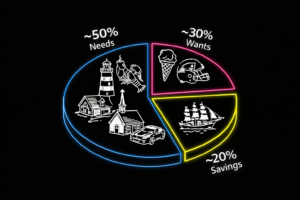
The Need for Buckets
A situation I see more often than people realize is someone with a million-dollar 401(k) but only a few thousand dollars in checking or savings. On paper, they’re financially successful. In reality, they may not have enough readily available cash to comfortably replace an HVAC system or cover another unexpected expense without incurring penalties, just to free up enough liquid cash when they need it most.
That’s why I’m a believer in giving your money a purpose before you actually need it. Yes, emergency savings are important because life is unpredictable. But not every large expense is truly a surprise.
You probably know you’ll replace your car someday. You’ll likely take another family vacation. Home repairs will eventually happen. Instead of waiting until those expenses arrive, start setting money aside for them now. I encourage clients to create separate buckets for planned purchases alongside their emergency reserve.
There’s something satisfying about paying for a vacation with money that’s been waiting for you all year. Compare that to putting the trip on a credit card and spending the next month deciding which account to tap to pay it off! Even if you have substantial assets, planning removes heartburn-inducing stress and gives you more flexibility when life throws you a curveball.
This is the same forward-thinking mindset behind my Three Bucket Strategy and Tax Control Triangle, giving every dollar a job before you need it.
Don’t Wait Until Everyone Else Needs Help
The reason HVAC companies become overwhelmed during a heatwave isn’t that there aren’t enough technicians. It’s because everyone needs one at the same moment! Supply and demand at its purest.
Family financial planning can follow a similar pattern: many people don’t reach out until they’re hoping to retire in three years or following a major market downturn. By then, they’re reacting instead of preparing. Of course I’m willing to help anyone in any state of preparedness, but it’s always better to be proactive than reactive.
Trying to build a retirement plan at age 64 is a little like calling an HVAC company after your air conditioner quits during a 98-degree heatwave. Someone can still help, but your choices are fewer and decisions often become more stressful than they needed to be in the first place.
“All Set” Isn’t the Same as Optimized
One of the themes you’ll hear me come back to in almost every one of my articles is the difference between being all set and being optimized. Being all set means you’ve reacted well when something happened, but being optimized means you prepared before it happened.
It’s why people buy milk before a snowstorm instead of during one. It’s why homeowners schedule furnace maintenance before winter and service their air conditioners before summer. Planning ahead doesn’t prevent problems; it gives you more options when they arrive. The same philosophy applies to your finances. Markets don’t wait until your calendar opens up or parents age. Your financial plan should evolve right alongside those transitions.
The families who navigate life’s surprises with the most confidence aren’t necessarily the ones with the largest portfolios. More often, they’re the ones who planned, built liquidity alongside long-term investments, and regularly revisited their strategy instead of putting it on autopilot.
If it’s been a while since you’ve reviewed your emergency savings, retirement accounts, tax strategy, or overall financial plan, now is a great time. As a family financial planner in Newburyport and Boston, I’m always happy to help with questions about retirement strategy, no matter when you reach out!
Securities offered through LPL Financial, Member FINRA / SIPC. Investment Advice offered through Flagship Harbor Advisors, a registered investment advisor. Thrive Wealth Strategies and Flagship Harbor Advisors are separate entities from LPL Financial.
The opinions voiced in this material are for general information only and are not intended to provide specific advice or recommendations for any individual.