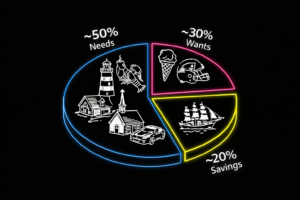
How do you approach your budgeting when it comes to having a child? As a family financial planner, it’s my job to help young families understand what they should prepare for as they begin their journey. Financial planning for a baby can seem daunting at first, but with some guidance and foresight, there’s nothing to fear!
Here are a few very easy questions to help you get started:
👶 Will you need assistance with the cost of raising a child?
Consider the possible healthcare, childcare, and education costs.
🍼 Will either of you have to consider taking maternity or paternity leave?
👪Do either of you plan on staying home full time to care for your child?
📋 How does this impact your cash flow, savings, and overall financial plan?
📋 How does one income impact your emergency fund?
📋How does this impact your employer benefits such as health and life insurance?
📋 Does your employer offer benefits such as adoption expense reimbursements, childcare subsidies, or maternity/parental leave?
🧸 Will you need professional childcare services?
Consider the cost of daycare or a nanny and its impact on your household budget
Here is how I advise soon-to-be (or current) parents to approach a family budget:
✅ Review to find areas to save on current expenses while appropriately increasing or adding new expense categories to accommodate your growing family
✅ Reassess your long-term financial goals to align with your updated cash flow
✅ You may need to increase your emergency fund to account for any new expenses and potential liabilities
✅ Beyond what you have saved, do you need additional cash to cover any costs related to having or adopting a child?
If so, consider taking a distribution up to $5,000 from an eligible retirement plan within one year of having or adopting a child – the distribution is taxable as ordinary income (if not from a Roth) but there is no 10% penalty
Check out the entire flowchart for other questions you should discuss between yourself and your partner when it comes to your growing family’s financials! ⬇️